
Summary
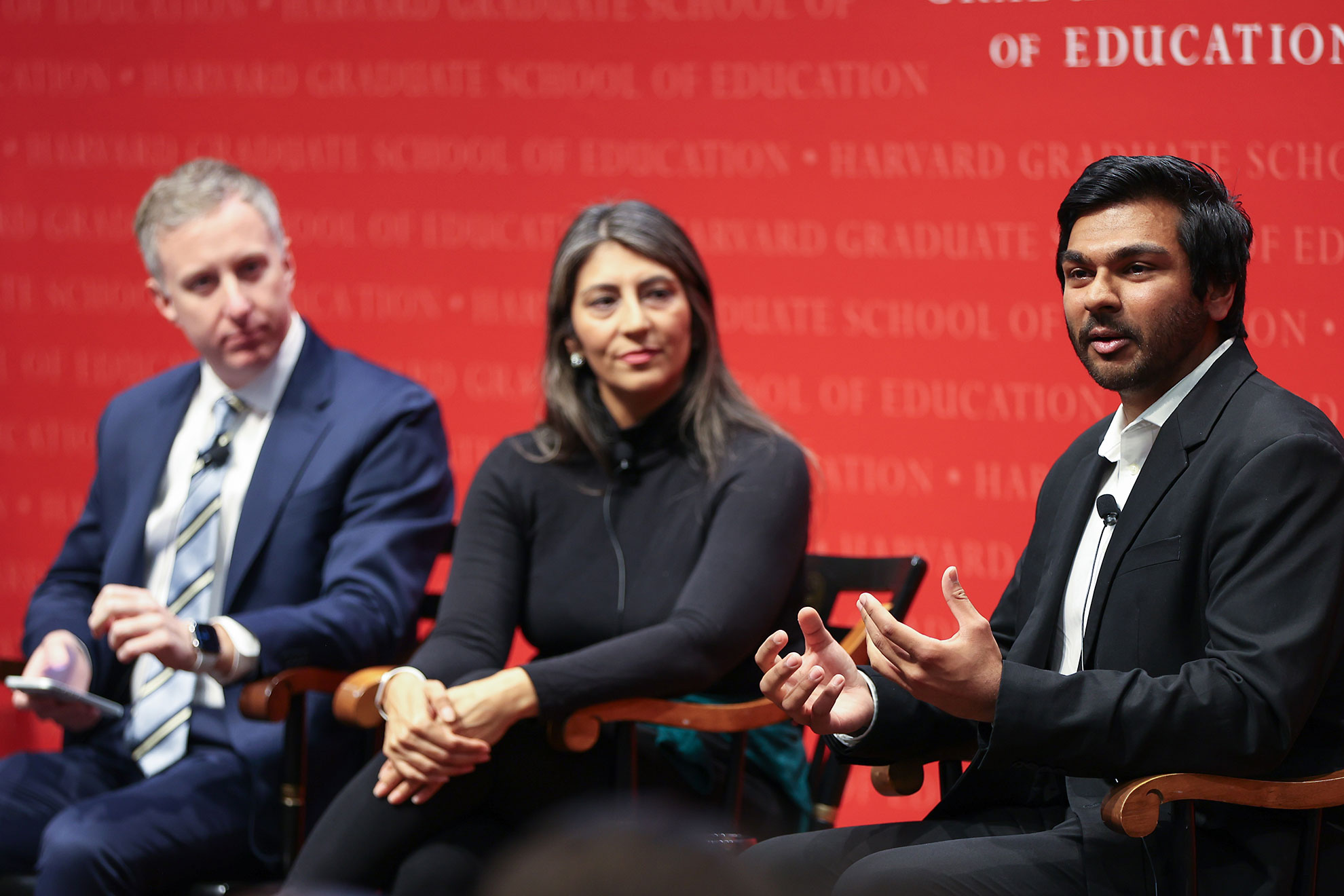
As AI becomes increasingly accessible to students, educators are exploring ways to effectively integrate the technology into the classroom. **Yenda Prado**, research analyst at Digital Promise, is developing learner profiles to train AI-powered learning agents, while **Kedaar Sridhar**, co-founder of M7E AI, has created a platform to simplify math curricula for vulnerable student populations. Meanwhile, **Keith Parker**, superintendent of Elizabeth City-Pasquotank Public Schools, is experimenting with a 'microschool' to test AI-driven instruction. These initiatives aim to improve student outcomes and reduce teacher burden. [[artificial-intelligence|AI]] is being used to create personalized learning experiences, and [[stem-education|STEM education]] is becoming more accessible. However, there are still challenges to be addressed, such as ensuring that AI systems are transparent and unbiased. [[education-technology|Education technology]] is rapidly evolving, and it is essential to stay informed about the latest developments. In the context of [[education-policy|education policy]], these initiatives have significant implications for the future of learning. As educators and policymakers, it is crucial to consider the potential benefits and drawbacks of AI-driven instruction and to ensure that all students have access to high-quality educational resources. [[digital-divide|Digital divide]] is a significant concern, and efforts must be made to bridge the gap between students who have access to technology and those who do not.
Key Takeaways
- The integration of AI in the classroom is a complex issue with significant implications for the future of education.
- AI-powered learning tools have the potential to improve student outcomes and reduce teacher burden, but they also raise important questions about the role of human teachers and the potential risks of relying on technology.
- The development and deployment of AI-powered learning tools must prioritize transparency, accountability, and fairness.
- Educators, policymakers, and technologists must work together to develop and deploy AI-powered learning tools that meet the needs and interests of students and teachers.
- The use of AI in the classroom requires a nuanced understanding of the potential benefits and drawbacks of AI-driven instruction.
Balanced Perspective
The use of AI in the classroom is a complex issue, and its effectiveness depends on various factors. While **Yenda Prado**'s and **Kedaar Sridhar**'s initiatives show promise, it is essential to consider the potential challenges and limitations of AI-driven instruction. For instance, AI systems can perpetuate existing biases and inequalities if not designed carefully. Moreover, the lack of standardization and regulation in the education technology industry can lead to inconsistent and unreliable AI-powered learning tools. As **Keith Parker**'s microschool experiment demonstrates, AI can be a valuable supplement to traditional teaching methods, but it is crucial to approach its integration with caution and careful consideration. [[education-reform|Education reform]] is a complex and multifaceted issue, and AI is just one aspect of this broader conversation.
Optimistic View
The integration of AI in the classroom has the potential to revolutionize education, making it more personalized and effective. **Yenda Prado**'s work on learner profiles and **Kedaar Sridhar**'s platform to simplify math curricula are excellent examples of how AI can be used to improve student outcomes. With the right approach, AI can help reduce teacher burden and create more engaging learning experiences. As **Keith Parker**'s microschool experiment shows, AI can also be used to create innovative and flexible learning environments. [[ai-in-education|AI in education]] is an exciting and rapidly evolving field, and it is essential to stay informed about the latest developments. The potential benefits of AI-driven instruction are significant, and it is crucial to explore these opportunities further.
Critical View
The increasing reliance on AI in the classroom raises significant concerns about the potential erosion of traditional teaching methods and the dehumanization of education. **Yenda Prado**'s and **Kedaar Sridhar**'s initiatives, while well-intentioned, may ultimately contribute to the replacement of human teachers with AI-powered systems. Moreover, the lack of transparency and accountability in the development and deployment of AI-powered learning tools can lead to unintended consequences, such as the amplification of existing biases and inequalities. **Keith Parker**'s microschool experiment, while innovative, may also perpetuate the notion that AI can replace human teachers, rather than augmenting their capabilities. As we move forward, it is essential to consider the potential risks and downsides of AI-driven instruction and to ensure that we are not sacrificing the human touch in education. [[ai-ethics|AI ethics]] is a critical aspect of this conversation, and it is essential to prioritize transparency, accountability, and fairness in the development and deployment of AI-powered learning tools.
Source
Originally reported by Harvard Gazette